
October 2026 | U.S. and Global Updates
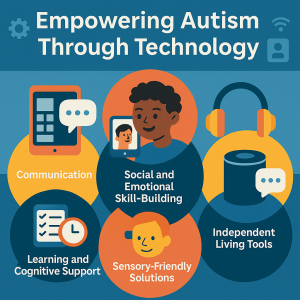
Being able to follow a morning routine or get ready for work can make a meaningful difference in an individual’s day. For someone with autism spectrum disorder (ASD) or intellectual and developmental disabilities (IDD), the right support might include a picture showing the next step, a video demonstration, an audio prompt, or a reminder that helps them begin. The person’s goals and preferences should guide those choices.
Recent national and international news has brought renewed attention to service shortages, access to assessments, and the need for more personalized support. These developments raise a practical question for families and professionals:
How can we help people build skills and participate more fully in daily life while larger systems work to improve?
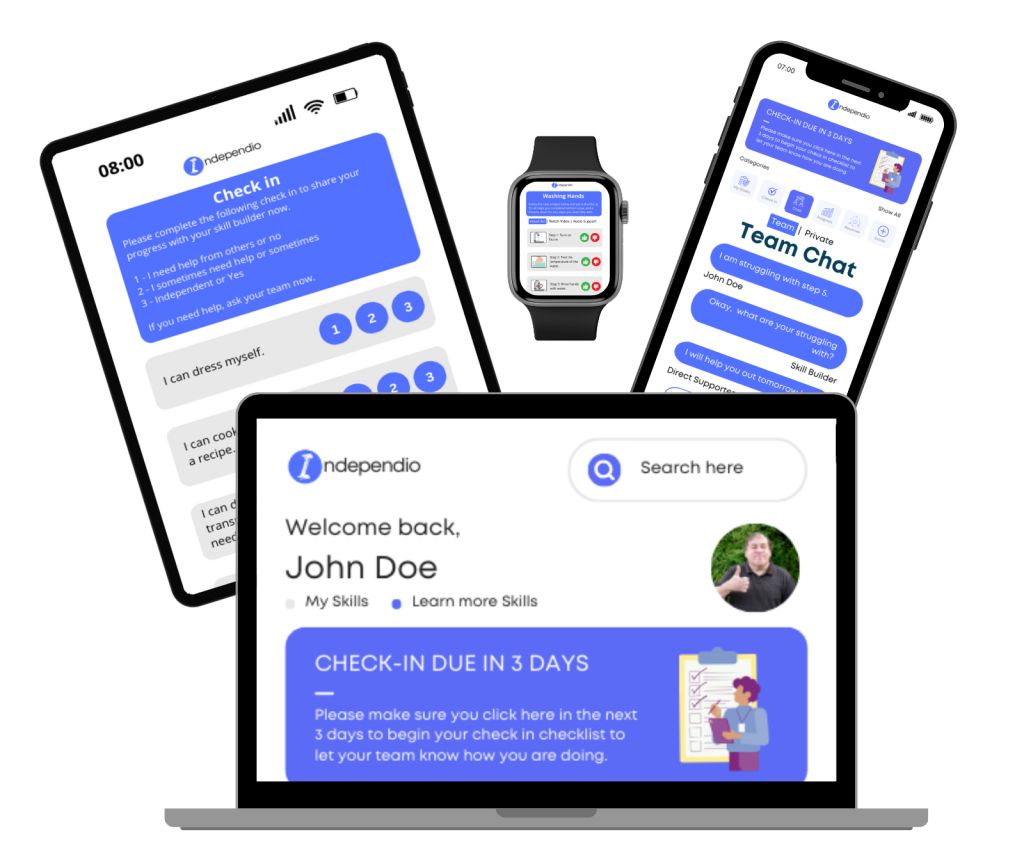
At Independio, this is the need we are working to address. Independio is a skill-building platform (currently in development) to help individuals with autism and intellectual disabilities work toward greater independence through personalized guidance and a structured system that supports existing disability services. Its tools are designed to help individuals improve progress with skill goals, while helping caregivers and professionals understand progress, adjust support, and keep an individual’s learning goals connected to everyday life.
The following headlines will help explain the challenges Independio is being developed to address. Let’s take a look at the top news stories surrounding autism and intellectual and developmental disabilities from around the globe.
England Calls for Earlier Support and Better Autism and ADHD Assessments
An October 9, 2026, BBC News report highlights the pressure on England’s autism and ADHD assessment services, where people can wait years for diagnosis and support. The video discusses an independent review that raises concerns about assessment quality and the risk of over-diagnosis, while acknowledging that available evidence does not establish widespread over-diagnosis. A central recommendation is to provide support according to a person’s needs while maintaining access to thorough, accurate diagnosis. This approach recognizes that difficulties with communication, learning, or daily functioning deserve attention throughout the assessment process.
International policy developments are highlighting the importance of earlier, more individualized help. On October 9, England’s government responded to the Fonagy review by pledging support based on people’s needs without long waits for a clinical diagnosis. The National Autistic Society welcomed earlier support while emphasizing continued access to diagnosis, sustained investment, and workforce capacity. [3, 4]
Australia began rolling out Thriving Kids in October for children aged eight and under with developmental delay or autism and low to moderate support needs. Services will expand gradually, with changes to National Disability Insurance Scheme access planned for January 2028. [5]
Earlier support matters, and continuity matters too. These developments raise a wider question:
How can people access consistent, individualized support as their needs change from childhood through adulthood?
For Independio, the app supports extend from childhood to adulthood. Skill instructions are designed to fit the person’s communication style, environment, and current skill level, while also improving independence to practice skills.
For Independio, this discussion reinforces the importance of understanding each individual’s abilities, goals, and support needs. We are developing Independio to help individuals with autism and intellectual disabilities to practice everyday skills through personalized, step-by-step guidance, while helping caregivers and professionals track progress and understand the assistance required. That information can support decisions about adapting instructions, practicing challenging steps, and adjusting prompts as skills develop. Our aim is to make everyday support more responsive to the individual and help learning translate into greater independence and participation in daily life.
Service shortages make consistent daily support especially important
On September 30, 2026, ANCOR released its annual direct support workforce report. Among 524 responding disability service providers across the United States, 85% reported moderate or severe staffing challenges, 55% turned away new case referrals because of inadequate staffing, and 29% discontinued programs or services. These findings describe a serious obstacle to accessing community support. [1]
KFF’s October 5 report adds another view of that pressure. Almost 650,000 people were on Medicaid home-care waiting or interest lists in 2026, and 72% were in the intellectual/developmental disability population. Waiting lists are an imperfect measure of unmet need, and some people receive other services while waiting, however, the significance of the waiting lists is still rather notable. Even with those qualifications, the report shows how difficult access to specialized support can be. [2]
For an individual, interruptions in support can mean losing opportunities to practice a routine or having to adjust to different instructions from different people. Families and staff need ways to preserve useful guidance and to better understand what assistance an individual currently needs.
Independio is being developed to complement in-person support with customizable task instructions and progress information. A routine can be broken into manageable steps and presented through written directions, pictures, audio, or video. The intended benefit is greater consistency when the person practices while caregivers or professionals help. Providers also need adequate staffing and funding to deliver the human support that people require. Independio aims to help families and professionals organize personalized task guidance and review progress, supporting greater consistency in everyday skill building.
Meaningful progress includes the assistance a person needs
Recording that a task was completed tells only part of the story. A person may complete a routine with a visual guide, need a verbal reminder to begin, or require substantial assistance throughout. Tracking those differences gives a support team more useful information when deciding what to practice next.
Independio’s progress tools are designed to bring task completion and assistance needs together. The goal is to help teams understand whether a person is developing a skill, maintaining it, or encountering a new barrier. Independence can include ongoing assistive tools and human support that help the person participate on their own terms.
The need to understand daily functioning also appears in recent policy news. A lawsuit filed on September 18, Taylor v. Kennedy, challenges how federal Medicaid work-requirement rules define exemptions for people with medical frailty or special medical needs. The plaintiffs argue that the rules unlawfully narrow those protections. [6] Separately, researchers have raised concerns that a proposed CDC health-survey redesign would remove questions that help identify people with developmental disabilities. [7]
Individual progress records can help families and professionals explain learning and support needs during care planning. They complement formal assessment and the broader public data needed to guide services. Independio’s intended contribution is a clearer, more consistent account of everyday skill development. For example, someone might initially need several verbal reminders to prepare a snack and later complete the routine using a picture guide. Recording that change in assistance needs, makes progress visible while recognizing the continuing value of the guide.
Adult healthcare and future care planning deserve attention
Singapore’s October 4 announcements offer a useful example of planning for support across the lifespan. A government task force recommended training frontline polyclinic staff to better support people with autism and intellectual disabilities, expanding community services, and introducing future care planning across adult disability services. Health communication passports are planned to begin rolling out in 2027 to document individual communication preferences and accommodations. [8]
This recognizes the importance of understanding the person beyond a diagnosis. Daily routines, preferred instructions, and areas where assistance is needed can inform how a team prepares for transitions and supports participation.
Independio’s focus on individualized guidance and progress tracking is relevant to that everyday work. As a person’s goals or circumstances change, caregivers and professionals can use what they have learned to adapt the skill-building plan. Healthcare access and long-term care still require qualified services and coordinated planning.
New research and global initiatives emphasize individualized support
On September 17, ARPA-H launched SPECTRA, a research program intended to improve autism assessment and individualized care across the lifespan. Its priorities include accessible communication technologies and tools that measure real-world functioning during ordinary use. The following day, the federal autism advisory committee received a new chair, Dr. John Gaitanis, in another development affecting the direction of federal autism priorities. [9, 10]
At a late-September event alongside the UN General Assembly, the Global Autism Advocacy Coalition announced initiatives covering shared data, workforce development, and affordable technology. These are coalition initiatives intended to strengthen national systems and expand access to support. [11]
For Independio, these developments reinforce the value of making technology useful in ordinary situations. A tool’s value depends on whether people can understand its guidance, use it in their own environment, and receive appropriate help. We are working toward that practical goal as we refine the platform and prepare for further user testing and provider pilots. Those next steps will help us evaluate usability and which individual outcomes improve over time.
Public awareness needs accurate science and attention to daily life
Recent headlines have also renewed debate about autism’s causes. On September 18, President Trump proposed dividing certain childhood vaccines into smaller doses, citing autism without providing supporting scientific evidence. WHO’s evidence reviews conclude that vaccines do not cause autism. [12, 13]
A September 23 review in Developmental Medicine & Child Neurology found that available evidence does not support a causal relationship between prenatal acetaminophen exposure and autism or ADHD. A separate Swedish study linked rare congenital infections to elevated autism and intellectual disability risks, while emphasizing that those infections account for only a very small proportion of autism cases. [14, 15]
Accurate communication helps families interpret these stories without losing sight of people’s current needs. Individuals with autism and intellectual disabilities need opportunities to pursue their own goals, access appropriate services, and practice skills in settings that matter to them.
Independio’s work focuses on that daily experience. We are developing tools to make personalized guidance easier to use and progress easier to understand, alongside the support of families and professionals. Our aim is to help each person build skills at their own pace and take a more active role in everyday life.
If you are an individual, family member, professional, or provider interested in personalized skill building for individuals with autism or intellectual disabilities, learn more about Independio and follow our progress as we develop and test the platform.
Sources
- ANCOR 2026 direct support workforce crisis report, September 30, 2026.
- KFF Medicaid home care waiting lists report, October 5, 2026.
- UK government pledge of earlier support, October 9, 2026.
- National Autistic Society response to the Fonagy review, October 9, 2026.
- Australian Government — About Thriving Kids, updated October 1, 2026.
- National Health Law Program Taylor v Kennedy explainer, September 18, 2026.
- Syracuse University on proposed CDC survey changes, October 5, 2026.
- CNA on Singapore adult disability support proposals, October 4, 2026.
- HHS — ARPA H launches SPECTRA, September 17, 2026.
- Reuters on the federal autism advisory panel chair, September 18, 2026.
- Autism Speaks on Global Autism Advocacy Coalition initiatives, September 26, 2026.
- Reuters on Trump’s vaccine dose proposal, September 18, 2026.
- WHO — Vaccines and autism evidence review, September 3, 2026; scientific background.
- Wiley prenatal acetaminophen evidence review, September 23, 2026.
- Karolinska Institutet congenital infections study, September 21, 2026.